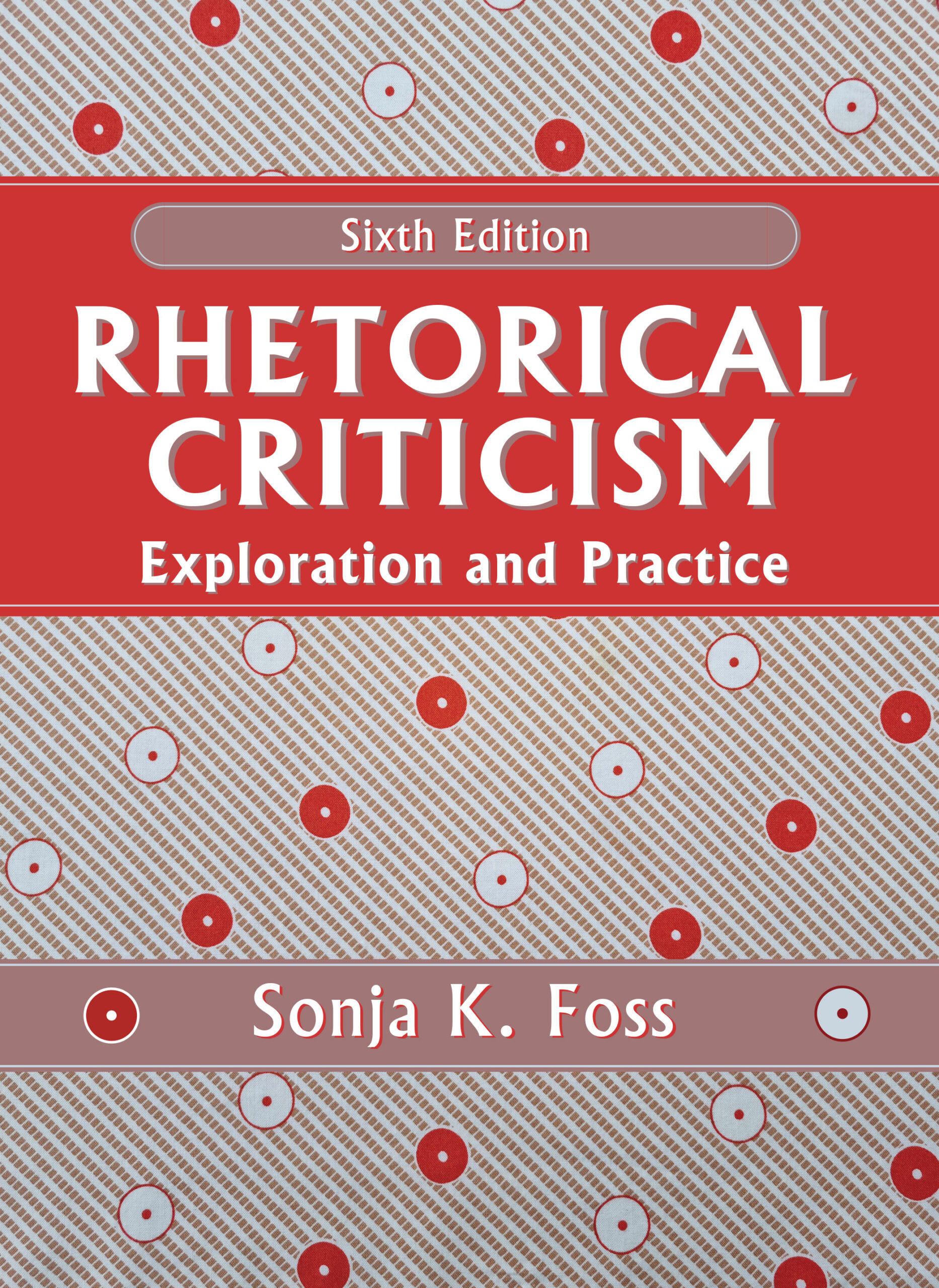
Description
A deep understanding of rhetorical criticism equips readers to be engaged and active participants in shaping the nature of the world in which they live. A chapter on feminist criticism features the disruption of conventional ideologies and practices. The chapter on narrative criticism highlights storytelling in the digital world. The emphasis on inquiry is invaluable for filtering meaning out of the communication encountered daily—for example, questions to ask, processes to employ for interpretation, assumptions to identify. Understanding rhetoric helps readers judge the effectiveness, accuracy, and impact of symbols.
1. The Nature of Rhetorical Criticism
Rhetoric / Rhetorical Criticism
2. Doing Rhetorical Criticism
Selecting an Artifact / Analyzing the Artifact / Formulating a Research Question / Reviewing Relevant Literature / Writing the Essay / Using AI in Essays of Rhetorical Criticism / Applying the Analysis in Activism / Assessing the Essay / What Comes Next
3. Neo-Aristotelian Criticism: Genesis of Rhetorical Criticism
Procedures / Sample Essays: Conventional Wisdom—Traditional Form (Forbes Hill); Laying the Foundations of Power (Andrew Gilmore)
Part II: CRITICAL APPROACHES
4. Cluster Criticism
Procedures / Sample Essays: Breaking the Ice on the Cold War (Dara Phillips); An Invitation to Reopen Debate (Mary E. Domenico); A Rhetoric of Reassurance (Andrew Gilmore)
5. Fantasy-Theme Criticism
Procedures / Sample Essays: Rhetorical Vision of the Independent and Sovereign Nation of Hawai’i (Darin J. Arsenault) / Coping with Loss (Kelly Mendoza) / Reassurance Through Normalization (Andrew Gilmore)
6. Feminist Criticism
Procedures / Sample Essays: An Explication of Visual Enactment in Advanced Style (Karen A. Foss and Sonja K. Foss); Americanizing Gay Parents (Dara R. Krause, See Vang, and Sonagh L. Brent); The Secret to the Disruption of Gender Stereotypes in the Workplace (Leah P. Horn)
7. Generic Criticism
Procedures / Sample Essays: The Drama of Deliberative Guidance (Sara A. Mehltretter Drury and John Rountree); The Transference of Power (Andrew Gilmore); Banksy at Disneyland (Joshua Carlisle Harzman); Beauty in Conflict (Danielle Montoya)
8. Ideological Criticism
Procedures / Sample Essays: Defending the Pride Lands and Marginalized Subjects (Gordana Lazic and Renee LeFebvre); Not in Our Town (Rob Hatcher); Legitimation of an Unwanted Transition (Andrew Gilmore)
9. Metaphoric Criticism
Procedures / Sample Essays: Mothering Twins During the First Year of Life (Cheryl Tatano Beck); Architectural Metaphor as Subversion (Marla Kanengieter-Wildeson) / Reframing an Unwanted Transition (Andrew Gilmore)
10. Narrative Criticism
Procedures / Sample Essays: “I’m Not Sure I’ll Ever Forget the Experience” (Kelsey E. Binion and Maria Brann); Facilitating Openness to Difference (Laura S. More, Randi Boyd, Julie Bradley, and Erin Harris) / To Ensure a Successful Transition (Andrew Gilmore)
11. Pentadic Criticism
Procedures / Sample Essays: “The Future Is in Good Hands” (R. Chase Dunn); The Way to State a Mission (Boss Hancock, Andrew Layne, Zach Smith, Megan Sullivan, Lauren Webb, and Tim Wray); Circumvention of Power (Andrew Gilmore)
12. Generative Criticism
Encountering a Curious Artifact / Coding the Artifact / Searching for an Explanation / Creating an Explanatory Schema / Assessing the Explanatory Schema / Formulating a Research Question / Coding the Artifact in Detail / Searching the Literature / Writing the Essay / Sample Essays: Toward a Theory of Agentic Orientation (Sonja K. Foss, William J. C. Waters, and Bernard J. Armada); Coping with Fatal Illness (Rachael L. Thompson Kuroiwa) / Romancing the Chinese Identity (Andrew Gilmore)

Reviews
There are no reviews yet.