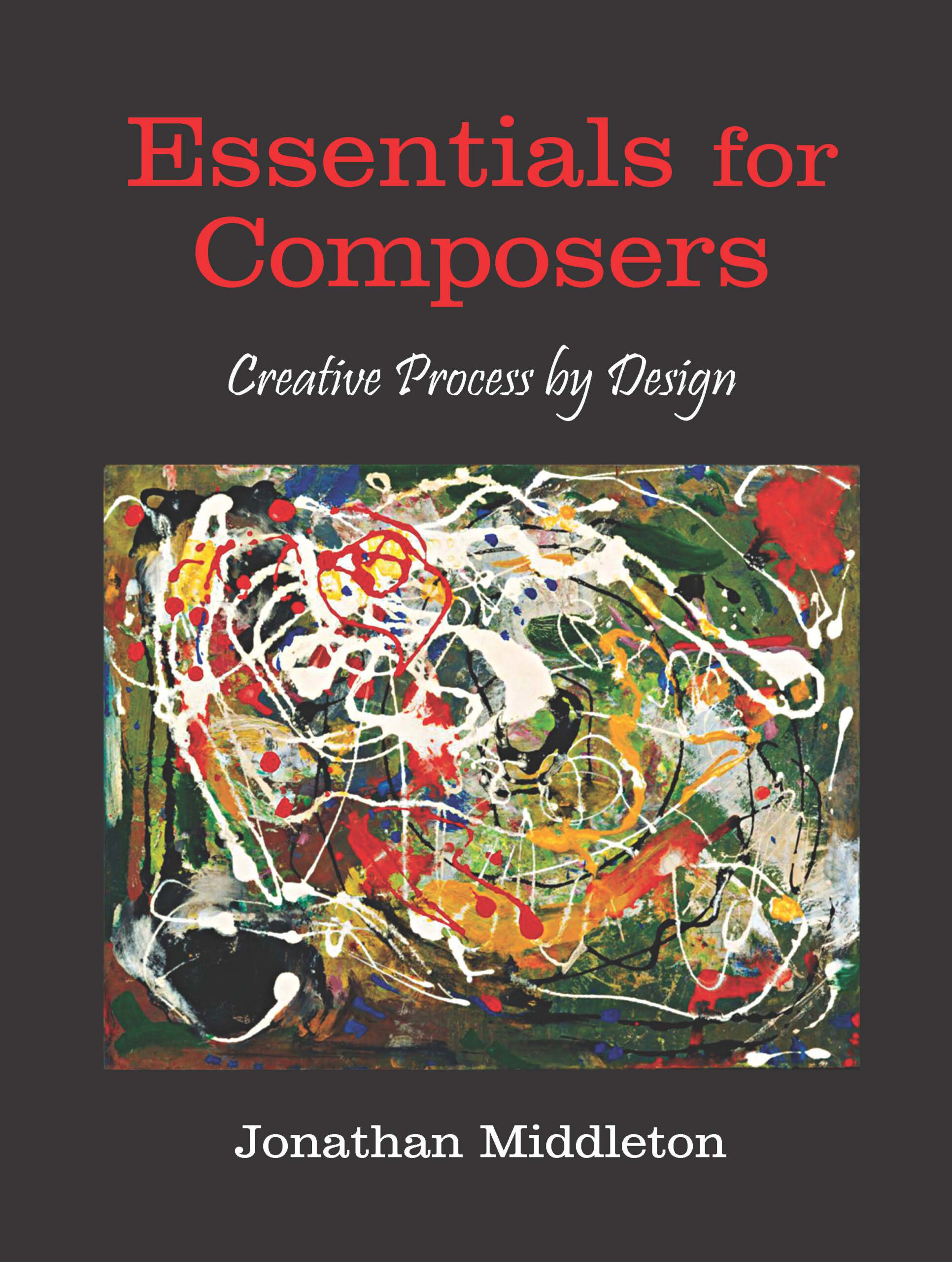
Description
Unique yet practical, concise yet comprehensive, Essentials for Composers guides novice composers through a set of basic steps, examples, and concepts to help them work through stages of the creative process in manageable and stimulating ways. Middleton explains how to approach each topic (harmony, melody, counterpoint, orchestration, variation) and explore the creative process through experimentation by completing related exercises. Such direction, which prompts efforts toward defining, developing, discovering, and shaping one’s own creative process, unseals the essence of music composition.
Relevant for students with interests ranging from film scoring to preparing music for digital games, Essentials for Composers is suitable for those who compose with or without the aid of technology. Bibliographies, score summaries, interviews with two composers, and analytical interludes prompt further investigation of topics.
“Essentials for Composers offers the emerging student composer pertinent and practical exercises that aim to elicit technical skill in essential aspects of counterpoint, harmony, and variation methods. The remaining content offers philosophical and aesthetic discourse on the creative process and analytical strategies, making this text a very welcome contribution to the training of composers.” — Christopher J. Greco, Benedictine College
“At last a delightful find, far more thought provoking than hinted at by its blurb. . . . the contents of this book do not guarantee great creativity but rather any number of means to organizing thought so as to increase odds of better output. For the aspiring composer not conversant in the rudiments of music, a crash course on form and methodologies replete with further examples is provided.” — Richard Kabe, Leonardo
“Covers the basics well without getting bogged down. Excellent examples. I love the composer interviews at the back.” — Randall Reyman, Millikin University
“This is a well-written book that I’m sure will prove very useful in the teaching of compositional technique. Congratulations to the author and publisher for bringing it out.” — Dan Locklair, Wake Forest University
“Essentials for Composers is a composition textbook unlike any other. Gracefully written and delightfully eclectic in its references to music, literature, and art, it leads the emerging composer through essential aspects of counterpoint, harmony, and a variety of technical procedures covering a broad scope of musical styles. The exposition is punctuated throughout with well-conceived exercises and insightful reflections on musical creativity.” — Fred Lerdahl, Columbia University
“Most books on the training of composers are dry and predictable. In addition to covering the basics, Middleton’s work takes a refreshingly intelligent look at some of the more personal and philosophical issues facing composers.” — Peter Golub, award-winning composer
“Essentials for Composers offers a map and some guideposts for students setting out on the path to composition. The book provides a variety of practical examples for engaging in a process that may appear mysterious at the outset.” — Lawrence Schwedler, DigiPen Institute of Technology
A New Kind of Composition Textbook / Composer’s Preparation
1. Creative Process by Design: A Field Guide to Charting a Course
Knowing What Is Essential / A Process in Stages / Examples of Knowing What You Like and Drawing Musical Connections / Essential Steps and Skills / Tangible Forces and Decisions / Intangible Forces / Concluding Points
2. Basic Counterpoint
Methods / Counterpoint Simplified / Two Voices: Specific Rules and Recommendations / Three Voice: Specific Rules and Recommendations / Concluding Remarks on Counterpoint / Tips on Melodic Construction
3. Harmonic Strategies
Harmonic Syntax / Functional Harmony / Evoking an Image / Logically Discordant / Drawing Connections / Clusters and Artifacts
4. Variation Methods and Principles
Melodic Variation / Harmonic Variation / Rhythmic Variation / Timbral Variation / Variation from Algorithms
5. Analytical Strategies and Creative Methods
The Importance of Analysis / Analysis: Capturing an Emotion / Familiar Ideas in Saturation: Layering / Timbral Analysis / Analysis: Noise, Harmonics, and Multicultural Dimensions / The Importance of Creativity and Creative Methods

Reviews
There are no reviews yet.